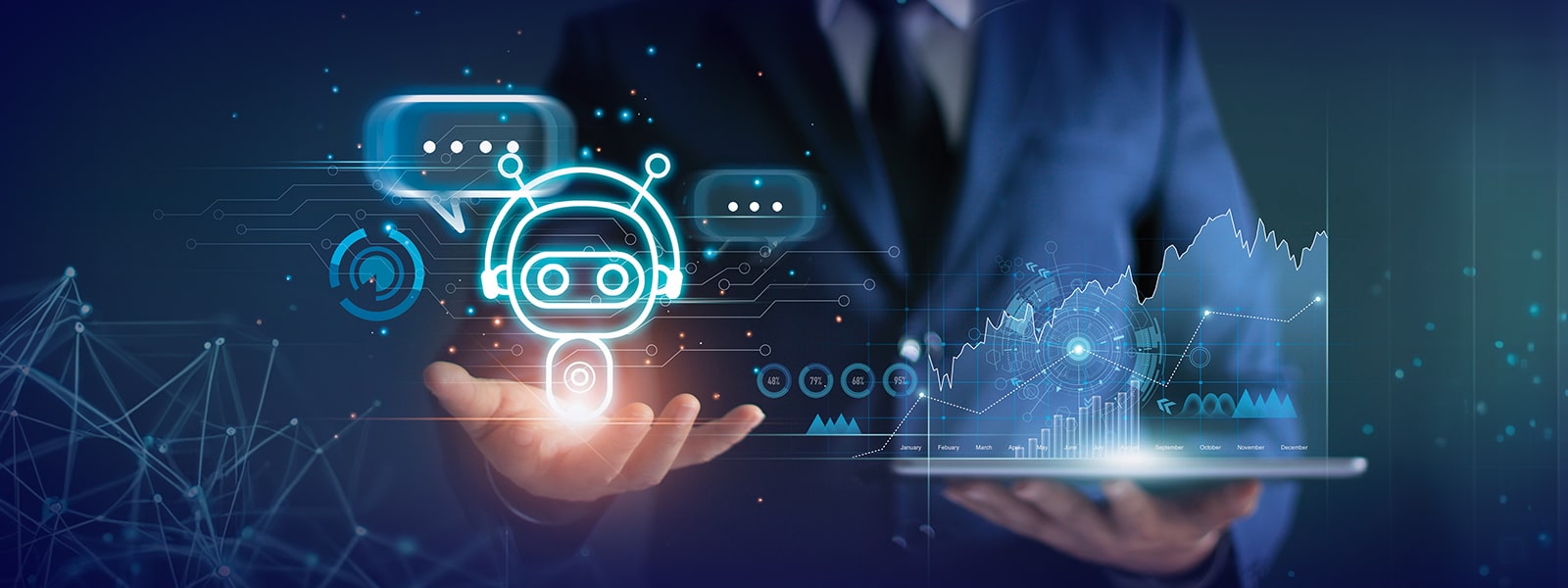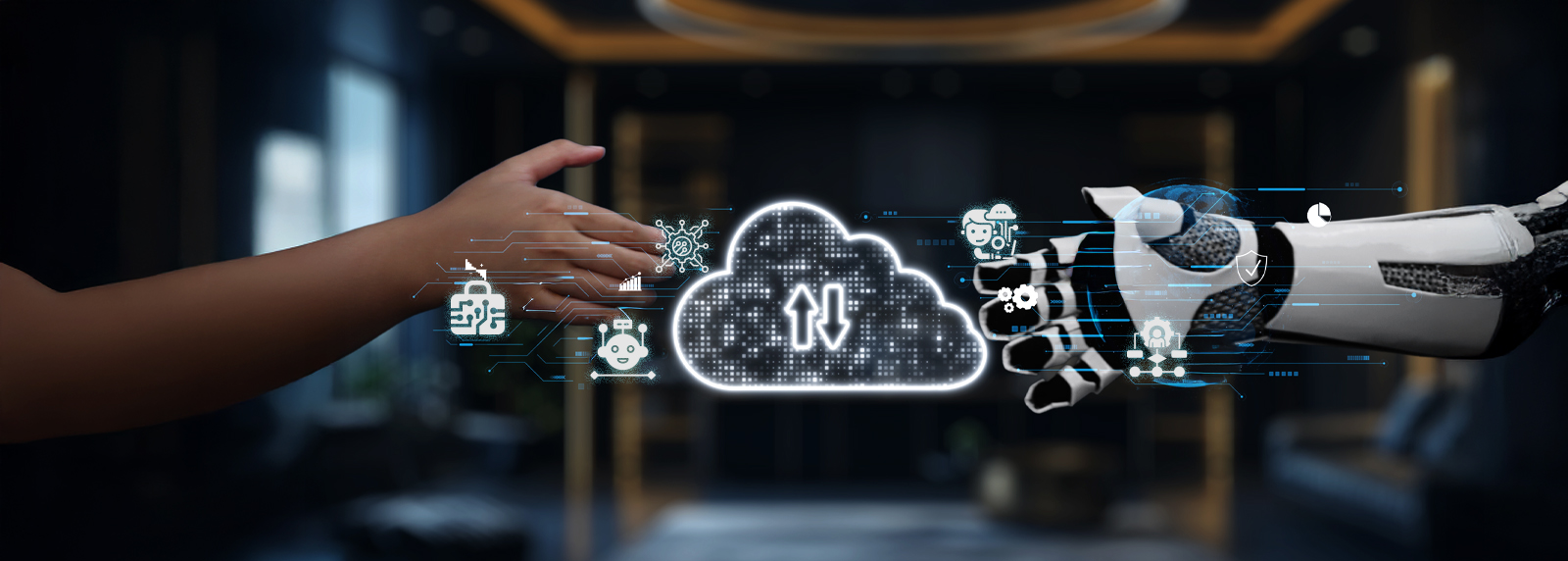








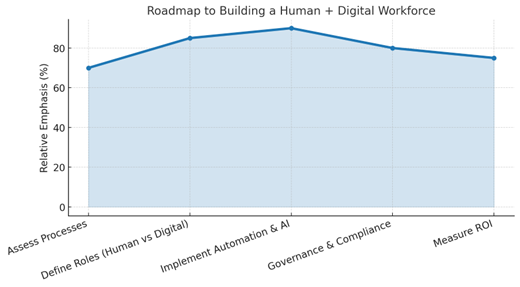
Pleasanton, CA, Sep 23, 2025 With 65% of companies leveraging AI tools and 78%of them integrating AI into daily operations, digital transformation is no longer a trend; it’s a business imperative. AI now handles data, both big and small, at scale, freeing up human potential to focus on what truly matters: turning insights into strategies that drive creativity, innovation, and operational excellence. Do you now picture yourself spending hours on repetitive reports, data entry, and compliance checks? Or would you rather focus on strategy, creativity, and meaningful conversations with clients and colleagues? A hybrid model, where AI offers speed and accuracy while humans contribute oversight and creativity, is the real future of workforce transformation. Companies that embrace this model are already seeing gains in efficiency, customer satisfaction, and employee engagement. The human workforce is all about depending on people, where you gain personalization along with empathy and cultural understanding. Humans can speed up innovation by using insights generated by AI. This can lead to greater organizational flexibility, sustainability, and social responsibility. Additionally, humans are skilled in strategy, building relationships, and making decisions based on judgment. On the other hand, the digital workforce consists of Robotic Process Automation (RPA), Artificial Intelligence (AI) Chatbots, and Cognitive Agents. They excel at scale in handling basic and advanced (in some cases) tasks that are repetitive, high-volume and rule based, allowing humans to concentrate on strategic and high-priority activities. “Humans orchestrate, guide, and innovate—while digital agents handle execution, scale, and precision” Let’s look at some of the major benefits of digital transformation driven by AI. Per David Somers, Workday’s Chief Product Officer, “Managing the digital workforce is no longer optional—it’s essential. To fully harness the value of AI, we must recognize it as a true workforce partner and apply the same discipline and strategy we use for people management.” Industry leading the Human + Digital workforce shift Creating a Human + Digital workforce is a journey that begins with clarity and alignment. The roadmap below provides a practical framework to help organizations thoughtfully balance human strengths with digital capabilities for long-term success. Adopting a Human + Digital workforce is not without its challenges, from change management to governance and cultural alignment. Yet, these very challenges open the door to reimagining how organizations define success and competitiveness. Looking ahead, we see a future where humans and AI collaborate seamlessly, shifting the focus from cost-cutting to value creation and innovation. The following trends highlight what lies ahead for businesses ready to embrace this transformation. The Human + Digital workforce is no longer a distant concept; it is the new foundation of competitive advantage. Organizations that act now will not only optimize costs and efficiency but also unlock innovation, resilience, and long-term growth. Yet, realizing this transformation requires more than technology adoption; it demands a partner who understands how to align people, processes, and digital capabilities seamlessly. At dotSolved, we don’t just transform processes we empower the future of work. Our Business Process Transformation (BPT) solutions and services are designed to bridge strategy and execution by combining deep expertise in ERP, CRM, RPA, and AI with a sharp focus on business outcomes. We help organizations of all sizes to implement automation with governance, embed human-centered design principles, and enable a seamless synergy between people and technology. By partnering with dotSolved, you’re not just implementing tools; you’re creating a resilient, future-ready Human + Digital workforce that delivers agility, efficiency, and sustainable business impact at scale.Defining Human and Digital Workforce
Key Benefits of Digital Transformation Powered by AI:
In fast-moving markets, speed is everything. Automation accelerates repetitive workflows, while human oversight ensures quality and compliance. Together, this model enables faster go-to-market, rapid innovation cycles, and adaptability in dynamic environments.
By allowing digital tools to handle volume-based, repetitive processes, businesses reduce operational costs significantly. More importantly, humans can shift focus to strategic initiatives that drive growth rather than being bogged down by routine tasks.
Think of a customer calling a bank: a chatbot instantly resolves routine queries, while a human agent steps in for complex issues with empathy and understanding. This blend ensures speed and satisfaction two critical drivers of customer loyalty.
Ironically, automation can make work more human. By eliminating mundane, repetitive tasks, employees feel more engaged and empowered. They focus on creativity, innovation, and relationship-driven work leading to greater job satisfaction.Industry Use Case Examples
From AI-driven diagnostics to chatbots scheduling patient appointments, healthcare is at the forefront. Digital tools speed up administrative tasks, while doctors and nurses focus on empathy and patient care.
Banks leverage RPA for fraud detection, loan processing, and compliance checks. Humans concentrate on advisory services and complex financial planning. Together, they deliver secure, fast, and customer-friendly services.
AI recommends products, personalizes marketing and manages inventory. Meanwhile, humans design experiences, build trust, and innovate retail strategies. The result: personalized shopping journeys at scale.
Smart factories combine automation in assembly lines with human-driven problem-solving and innovation. This model increases efficiency, reduces downtime, and fosters innovation in product design and production.Roadmap to building a Human + Digital workforce
Challenges in Human + Digital Workforce Adoption
Turning Vision into Reality with dotSolved’s BPT Solutions and Services